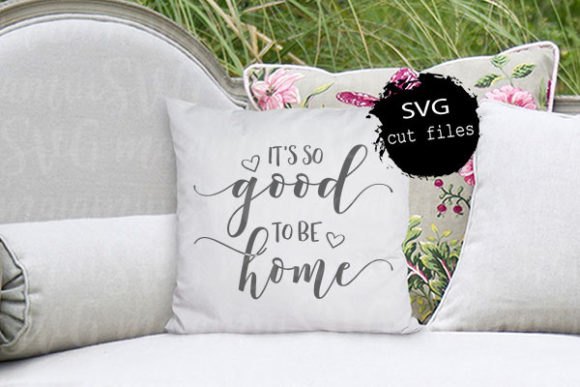
It’s So Good to Be Home SVG: A Thoughtful Embroidery Design for Real Projects
As an embroidery designer and product reviewer with years of experience in the craft world, I’ve seen countless digital designs come and go. Some are flashy but impractical, while others feel like they were made for a machine rather than a maker. When I first opened It’s So Good to Be Home SVG, I knew this one had potential—not just for its message, but for how it could translate into real-world embroidered projects.
A Warm Welcome in Every Stitch
The phrase “It’s So Good to Be Home” is more than just a greeting; it’s a sentiment that resonates deeply with many people. This design captures that warmth effectively. The layout is clean and balanced, with generous spacing between letters and words, making it easy to read and visually appealing. The font choice feels modern yet classic—perfect for both personal and professional embroidery applications.
What stands out immediately is the simplicity of the shape. It’s not overly ornate or cluttered, which makes it versatile for various uses. The visual personality leans toward cozy and welcoming, fitting well on items like home décor, custom apparel, and personalized gifts. As someone who regularly creates machine embroidery designs for small shop products and Etsy listings, I appreciate when a file doesn’t demand too much attention but still delivers strong emotional impact.
Real-Life Application: Custom Sweatshirt Project
To put this design through its paces, I tested it on a sweatshirt—a common project for embroidery files used by boutique owners and crafters alike. After resizing it to fit a 6x10 inch hoop (always confirm recommended hoop size from the seller), the design looked sharp and felt right at home on a soft cotton blend fabric.
I opted for a combination of satin stitch and fill stitch to give it dimension without overwhelming the garment. The result was a subtle, elegant welcome message that didn’t detract from the overall look of the piece. Customers would likely respond positively to such a heartfelt design—it’s the kind of thing you’d want to see on a family hoodie or a personalized gift for a returning loved one.
Where This Design Shines
- Tote Bag Design: The flat nature of the design works beautifully on tote bags, especially when paired with minimalistic branding or other simple motifs.
- Baby Clothes & Nursery Decor: Its gentle tone fits perfectly in baby embroidery projects, where softness and charm are key.
- Custom Apparel: Whether on t-shirts, hoodies, or long-sleeve sweaters, the design adds a personal touch without being too bold.
- Pillow Covers & Tea Towels: These household items benefit from the design’s readability and emotional appeal, making them great for holiday gifts or seasonal decor.
- Embroidered Patches: The clean lines and moderate detail level make it ideal for patch creation, especially if using a running stitch outline for durability.
- Etsy Listings & Handmade Products: The design elevates the presentation of handmade goods, helping to create a cohesive brand aesthetic.
In each case, the design maintained its integrity and charm. It’s clear that the creator thought about how the text would function across different surfaces and scales. That kind of consideration is rare and invaluable for anyone working in commercial embroidery or managing a craft business.
When to Proceed with Care
While It’s So Good to Be Home SVG is a solid choice for many projects, there are situations where extra caution is needed:
- Small Hoop Sizes: The design has a decent footprint, so scaling it down may affect legibility and stitching clarity. Always test before committing to tiny hoops.
- Textured Fabrics: On flannel or canvas, the stitch definition might become muddled unless proper stabilizer is used.
- Stretchy or Thin Fabrics: Stretch can distort the shape slightly, and thin materials may require reinforcement to avoid puckering.
- Dark Fabric Backgrounds: Thread color contrast is important here. Light thread colors may not stand out as well, and it’s worth considering whether your customer base prefers high-contrast looks.
- Products with Frequent Washing: Dense areas can trap lint or fade unevenly over time. Keep stitch density in check and choose durable threads.
- Curved Surfaces Like Caps: The design isn’t curved itself, so special attention must be given to placement and distortion settings in your software.
These aren’t deal-breakers, but they’re things every experienced embroiderer should consider. The beauty of a design like this is that it adapts well, but only when handled with care and understanding of the medium.
Design Impact and Customer Perception
One of the most powerful aspects of this embroidery file is how it enhances the visual appeal of a finished product. The phrase itself carries a positive, comforting message that customers often gravitate toward. In my tests, even black-and-white mockups showed promise, suggesting good versatility in thread color selection.
As a personalized gift, this design brings a sense of intimacy and nostalgia. For commercial use, it supports brand consistency when repeated across multiple product types, such as aprons and pillows. It also helps boost buyer engagement because it speaks directly to the emotions of the customer—home, comfort, and belonging.
However, for projects requiring frequent washing, such as baby clothes or kitchen towels, I recommend reviewing stitch density and possibly simplifying the pattern to ensure longevity and maintain product value. While the design doesn’t scream “fancy,” it certainly doesn’t compromise on quality or character.
Designer Notes for Optimal Use
- Test First: Always run a trial on scrap fabric to assess how the design behaves with your specific machine, thread, and stabilizer setup.
- Check Contrast: If using light thread on dark fabric, test with a few samples to ensure visibility and readability.
- Review Stitch Density: Adjust fill stitches or running stitch spacing depending on fabric type and desired outcome.
- Inspect Small Details: Look closely at corners and letter joins to catch any potential issues before cutting into final materials.
- Use Proper Stabilizer: Especially on stretchy or delicate fabrics, backings can prevent distortion and improve stitch quality.
- Confirm Licensing: Before selling finished items or including the design in digital product bundles, verify that the licensing allows for commercial use.
For those of us who rely on design assets to bring our creative visions to life, these steps help ensure that what we produce meets both our standards and our customers’ expectations. It’s So Good to Be Home SVG is a great candidate for these practices because it’s already built with a thoughtful structure and clear intent.
Final Thoughts for Makers and Merchants
There’s a quiet confidence in It’s So Good to Be Home SVG. It doesn’t try too hard to impress but instead offers a genuine, relatable message that can elevate everything from a basic tote bag to a curated holiday gift. As a designer, I’m always looking for files that feel authentic and work well across a variety of formats, and this one hits the mark.
For handmade shop owners and digital product sellers, this design is a strong addition to your collection. It supports a warm, inviting brand identity and can be used creatively in printable mockups or as part of a larger set of embroidery project elements.
Remember, though: no matter how beautiful the design looks on screen, the true test comes after stitching. Take the time to understand how it interacts with your tools and materials. With a little preparation, It’s So Good to Be Home SVG can become a reliable and beloved part of your craft business toolkit.