Fluent in Fowl Language Funny Chicken Review
As an embroidery designer who's stitched everything from custom sweatshirts to boutique branding projects, I always look for a design that brings personality and clarity together. The Fluent in Fowl Language Funny Chicken SVG cut file is one of those designs that immediately catches the eye with its clever blend of humor and visual charm. Let’s dive into what makes this chicken worth considering—and when it might be better to hold off.
First Impressions: A Playful Design with Purpose
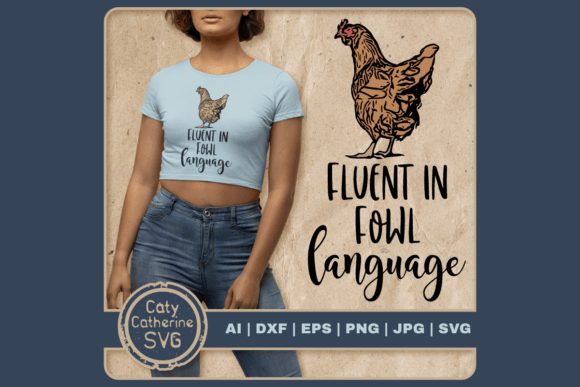
The moment I opened the Fluent in Fowl Language Funny Hen Chicken Quote SVG file, I knew it had potential. It features a stylized chicken with a sassy little attitude, paired with the phrase “Fluent in Fowl Language” in bold, readable lettering. The layout is clean yet cheeky—perfect for casual apparel or whimsical handmade items. The level of detail is just right; enough to make the chicken expressive without overcomplicating the stitch count or fill areas. This isn’t a minimalist icon, but it also doesn’t demand a hooper full of stabilizer and thread changes.
What stood out most was the visual personality. It’s not just a chicken—it’s a character. That kind of storytelling is powerful in machine embroidery design, especially when targeting niche markets like pet lovers, farm-fresh moms, or folks who appreciate a good pun. The design naturally fits into categories such as holiday gifts, baby clothes, or even small shop product lines where humor adds value.
Real-World Applications and Stitch-Out Expectations
Let’s talk about how Fluent in Fowl Language Funny Chicken performs on actual materials. If you're planning to use this on a tote bag, sweatshirt, or apron, the design has a great balance between satin stitch outlines and minimal fill stitch areas. This means it won’t bulk up the fabric too much, making it ideal for soft goods where drape and comfort are key.
- Tote Bags: The chicken looks lively on cotton or canvas. Just ensure you have proper backing and stabilizer to prevent distortion during cutting and stitching.
- Sweatshirts & T-Shirts: On thicker fleece or cotton blends, the design holds its shape well. The quote is legible and retains its charm after washing, assuming you test it first.
- Baby Clothes: While the design is cute and fun, I’d advise using muted thread colors to maintain a softer, more age-appropriate aesthetic. It could work well on onesies or bibs with a playful twist.
- Embroidered Patches: The design translates nicely into a patch format. It can be layered with other elements if needed, though I recommend avoiding overly intricate backgrounds due to the risk of muddying the main image.
- Aprons & Pillow Covers: These are perfect surfaces for the chicken. Its size and detail allow it to stand out without overwhelming the piece.
- Holiday Gifts & Boutique Merch: With its seasonal vibe (think Easter or springtime), this design could easily become a bestseller for Etsy sellers or craft business owners looking to add a touch of personality to their listings.
Design Notes for Commercial Use
If you're an Etsy seller or run a small shop selling personalized products, this design is a strong contender. It works well with both black and white mockups and looks sharp on light-colored fabrics. However, I recommend creating a printable mockup to see how it appears in context before listing it as part of your design assets. Customer trust often hinges on clear visuals, and seeing the chicken in action on a real garment preview helps set expectations.
For commercial embroidery projects, check whether the license allows resale of finished products. Since the product description doesn't specify licensing terms, confirm this with the designer before using it in mass production or digital kits.
Where Caution Is Key
While the Fluent in Fowl Language Funny Chicken is versatile, there are some scenarios where it may not perform as expected. Here are a few things to keep in mind:
- Small Hoop Sizes: The chicken has moderate detail, so scaling it down too much can cause the fine lines and facial expressions to lose definition. Stick to at least a 4x4 hoop for best results.
- Textured Fabrics: On flannel or denim, the design may appear slightly uneven unless you adjust stitch density and stabilize carefully.
- Thin or Stretchy Fabrics: Avoid using this on lightweight silks or spandex-based materials unless you’re prepared to reinforce the area thoroughly.
- Dark Fabric Backgrounds: Thread contrast matters here. You’ll want to choose thread colors that pop against darker bases to keep the message readable and the chicken visible.
- Curved Surfaces: Embroidering onto a cap or curved hat? Be cautious. The design’s flat layout may not adapt well without manual resizing or seam adjustments.
- Densely Stuffed Garments: Layered or quilted items like stuffed blankets or padded jackets can distort the stitch-out if not properly stabilized.
Stitch Clarity and Detail Inspection
I ran a quick test of the design on scrap fabric and found that the facial details—like the beak and eyes—stayed intact across multiple threads. The text is bold enough to remain legible even after a few washes, which is important for any item that will be used regularly, like a kitchen towel or a child’s sleep sack.
One thing to note is the stitch density around the chicken’s body. It’s fairly consistent, but if you're working on delicate materials, consider reducing the density slightly to avoid puckering. Also, watch out for tight corners in the wings or feathers—they may require a bit of tweaking depending on your machine.
Visual Appeal and Brand Consistency
This design brings a lot of visual appeal to the table. It’s not just funny—it’s memorable. As someone who creates handmade products, I know that a standout design can significantly increase buyer engagement. The chicken feels like a brand mascot, something that could be repeated across different items to build brand consistency.
Its bold style complements both modern and rustic aesthetics, making it adaptable for various niches. For instance, it could fit into a farmhouse-themed collection or a trendy line of humorous custom apparel. Either way, it elevates the product value by adding a unique, conversation-starting element.
Designer Tips for Using Fluent in Fowl Language Funny Chicken
- Test on Scrap First: Always stitch a sample before moving to final fabric. This gives you a chance to spot issues with stitch flow or tension early.
- Check Thread Color Contrast: Especially if you're planning to embroider on dark fabric. Use a color swatch tool or create a black and white mockup to evaluate visibility.
- Review Stitch Density: Depending on your machine and material, you may need to tweak the settings for optimal results.
- Confirm Hoop Size: Make sure your hoop can accommodate the design’s dimensions. Don’t force it into a smaller hoop than recommended.
- Inspect Small Details: The chicken’s face and the wording are key to the overall expression. Ensure they don’t get lost in the stitch-out process.
- Use Proper Stabilizer: Especially on stretchy or thin materials. Tear-away or cut-away stabilizers will help maintain the design’s integrity.
- Compare Light and Dark Backgrounds: How does the chicken look on a pastel tote versus a navy sweatshirt? Test both to understand the visual impact.
- Verify Licensing: Before offering the design in your digital product kits or selling finished items, double-check the licensing to stay compliant.
Final Thoughts and Buyer Engagement
In summary, Fluent in Fowl Language Funny Chicken is a solid addition to your embroidery project arsenal. It’s designed with a clear purpose: to bring a smile while maintaining a professional look. Whether you're creating a personalized gift or building a line of small shop products, this design offers a nice mix of charm and functionality.
However, like any embroidery file, it requires thoughtful application. Consider the fabric type, placement, and end-use before committing. And remember, the devil is in the details—especially when you're aiming to deliver high-quality finished products that reflect your brand or creative vision.
If you're ready to give it a try, start with a few prototypes. Observe how customers react. Will they laugh? Recognize the design instantly? That’s the mark of a successful applique design—and from my experience, this chicken passes the test.