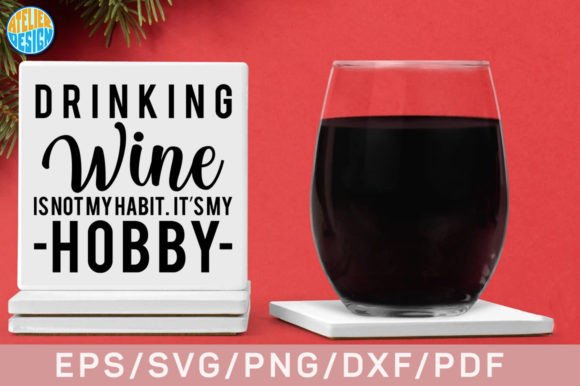
Drinking Wine Is Not My Habit It’s My
As an experienced embroidery designer and product reviewer, I’ve seen my fair share of digital designs that look great on screen but fall flat when stitched. So when I came across Drinking Wine is Not My Habit It’s My, I took a moment to evaluate it as more than just another graphics file — I looked at it through the lens of real-world application. This design isn’t just for show; it has potential for a range of creative projects. But like any good machine embroidery design, its success depends on how well you understand its character and limitations.
A Mood That Stands Out
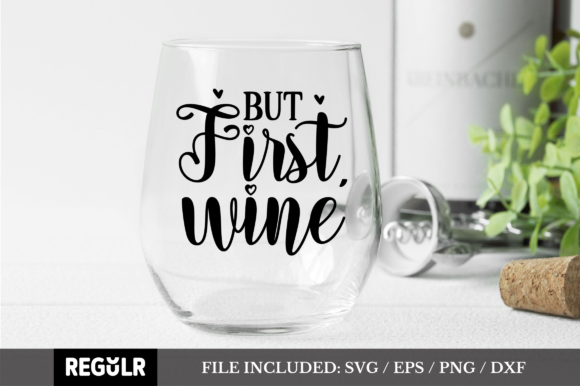
The first thing I noticed about this design was its confident tone. “It’s My” feels personal yet bold — not the kind of statement that whispers, but one that leans into the fabric with purpose. The layout is clean and modern, which makes it adaptable for a variety of uses. The text is stylized enough to catch attention without being overly complex, which is a big plus for embroidery work where clarity after stitching is key.
Visually, the design has a balanced structure. The letters are spaced well, and there’s no unnecessary clutter or intricate detailing that might get lost in translation during digitization. For someone looking to add a touch of personality to their handmade products or custom apparel, this could be a solid choice. It doesn’t scream “party time,” but rather suggests a lifestyle — one where wine is embraced with intention and flair.
Best Suited For?
This design naturally fits into casual and semi-formal projects alike. I see it working beautifully on tote bags, sweatshirts, and even aprons for a craft business or Etsy shop. Its visual simplicity means it won’t overwhelm smaller items like embroidered patches or cap embellishments. In fact, if anything, it might feel too understated for some high-impact applications. Still, for boutique branding or personalized gifts, the subtle confidence of the phrase can go a long way.
Real-Life Embroidery Performance
Let’s imagine a scenario: You’re preparing a batch of custom sweatshirts for a holiday pop-up sale. You want something memorable but not too flashy. You choose Drinking Wine is Not My Habit It’s My as the centerpiece. On a white or light-colored hoodie, the design will stand out nicely, especially if you use contrasting thread colors. Satin stitch outlines would give the text a polished edge, while fill stitches behind the words can add depth and texture.
If you're using this for a tote bag design, consider the placement carefully. A centered position works well for symmetry, while a slightly off-center layout adds a more artistic, modern feel. For baby clothes or nursery decor, however, the wording may be less appropriate unless you adjust it to suit a more playful or whimsical theme.
In commercial embroidery settings, such as small shop product lines or promotional merchandise, this design offers a consistent aesthetic that can support brand identity. Its readability and style make it ideal for both digital embroidery files used in shops and hand-digitized versions tailored for specific fabrics or machines.
Where Caution Is Key
While Drinking Wine is Not My Habit It’s My is versatile, it does have its limits. If you're planning to embroider it onto a textured fabric like denim or canvas, expect some variation in stitch definition. These materials absorb tension differently, so a running stitch may not hold up as well as satin or fill stitches. Always test on a scrap piece first to ensure the final product looks professional.
Thin or stretchy fabrics can also pose challenges. The design's moderate detail level might cause issues if stretched during the embroidery process, especially in areas with tight curves or corners. Hoop size is another factor to consider — while the design doesn’t appear to be excessively large, always confirm whether your hoop can accommodate the full layout without distortion.
For dark fabric backgrounds, thread color contrast becomes essential. Black or navy thread might not stand out enough against a deep background. Instead, opt for white, gold, or metallic threads to maintain visibility and impact. Also, be cautious when using this design on layered garments or curved surfaces, as stitch density and fabric movement can affect the outcome.
Visual Appeal and Stitching Clarity
One of the strengths of this design is its visual appeal. It has a contemporary feel that aligns well with current trends in crafts and fashion. Whether you're creating personalized gifts or selling handmade products online, the phrase carries a sense of self-awareness and charm that customers tend to appreciate.
Stitching clarity is another important consideration. The design doesn't rely on tiny lettering or densely packed elements, so it holds up well across different embroidery machines. However, if you're using it in a patch format or for a decorative accent, inspect the corners and edges closely. Any slight misalignment in those areas could detract from the overall professionalism of the finished product.
Customer Trust and Brand Consistency
When you're an Etsy seller or part of a small shop product line, every detail counts. Customers buy based on visuals and expectations, and the quality of your embroidery reflects directly on your brand. Drinking Wine is Not My Habit It’s My has a strong personality that can elevate your offerings, especially if you're targeting a lifestyle niche — think cozy home goods, adult-oriented gifts, or boutique-style apparel.
To maintain brand consistency, I recommend using the same thread colors and stitch types across all similar items. This helps build recognition and reinforces your style. For digital embroidery file users, including printable mockups or previews can help buyers visualize the design before purchasing, increasing buyer engagement and reducing returns.
Practical Designer Notes
- Test on Scrap Fabric: Before committing to a full project, try stitching it on a sample to assess how it behaves on your chosen material.
- Check Thread Color Contrast: Especially on dark fabrics, use a white or metallic thread to enhance visibility and impact.
- Review Stitch Density: Make sure the stitch count is appropriate for the fabric type and desired effect. Too dense, and it risks puckering; too sparse, and it may lack definition.
- Confirm Hoop Size: Ensure the hoop can fully contain the design without stretching or cutting off important details.
- Inspect Small Details: Look for any fine lines or corners that may need reinforcement or simplification for better embroidery results.
- Use Proper Stabilizer: Depending on the fabric, a cutaway or tear-away stabilizer can prevent distortion and improve stitch accuracy.
- Test in Black and White: If you plan to offer the design in monochrome options, check how it translates visually without color.
- Compare Light and Dark Backgrounds: See how the design performs on both ends of the spectrum to determine optimal thread choices.
- Verify Licensing: If you're planning to sell finished items or digital products, always confirm the licensing terms to avoid legal complications.
Giftability and Recognition
From a gift perspective, Drinking Wine is Not My Habit It’s My is perfect for holiday gifts, wedding favors, or even birthday presents. It adds a layer of personal expression that many customers look for in personalized gifts. When paired with other design assets — like matching pillow covers or kitchen towels — it can create a cohesive set that stands out in a craft fair or online listing.
Recognition is another area where this design shines. Because it’s short and impactful, it can become a signature element in your collection. As a hobbyist or creative entrepreneur, building a recognizable style is crucial for customer loyalty and repeat sales. This design supports that goal by offering a unique voice in a sea of generic slogans.
Final Thoughts for Crafters and Designers
Embroidery is more than just stitching — it's storytelling through fabric. Drinking Wine is Not My Habit It’s My tells a story of confidence and lifestyle, and if applied thoughtfully, it can become a meaningful addition to your craft business or personal projects.
Whether you're an embroidery designer, an Etsy seller, or a small shop owner, always approach new machine embroidery designs with a critical eye. Understand how they perform in real-life scenarios, know their limitations, and use them in ways that highlight their strengths. With the right preparation and care, this design can become a valuable asset in your creative toolkit.